Assisted Living
How assisted living works in North Carolina
The Adult Care Licensure Section of the Division of Health Service Regulation licenses two kinds of homes. Adult care homes have seven or more beds; family care homes are smaller, with two to six residents, often in a regular house. Both provide a room, meals, supervision and help with daily activities and medicines.
Under state law, every adult care home and family care home gets a star rating from 0 to 4 based on its inspections, and must post the certificate. The state's star search shows the rating plus inspection reports and penalties, so you can read them before you tour.
County Departments of Social Services also keep an eye on these homes and look into complaints. Some places in North Carolina call themselves assisted living without an adult care home license, usually because they offer housing only; ask which license a building holds.
What North Carolina adult care homes provide
A room
Private or shared, depending on the home and the price.
Meals
Three meals a day plus snacks, with special diets as ordered.
Personal care
Help with bathing, dressing, toileting and medicines.
Activities
Social and recreational programs each week.
Supervision day and night
Staff on site around the clock.
Help with appointments
Arranging doctors, and often transportation.
Signs assisted living may help
- Losing weight without trying
- Falls at home
- Whole days without talking to anyone
- A house that has become unsafe
- Missed or doubled medicines
- A knot in your stomach every time the phone rings
How North Carolina Care Network helps with assisted living
Someone to talk it over with
Tell us about your mother, father or spouse and what has changed, and a North Carolina Care Network guide helps you weigh the assisted living options near them. It costs you nothing, and we have nothing to sell.
Every licensed choice, nearest first
We pull the assisted living list from the NC Division of Health Service Regulation's licensing lists, Medicare Care Compare and the federal NPI registry, and send you the 10 closest to your ZIP code, with state star ratings, Medicare stars and Google ratings where they exist.
Only the providers you pick
Choose who you want to hear from, and we pass your information to them and nobody else. Families pay nothing, and no provider pays us for a referral or a move-in. Featured listings are paid advertising and always say so.
Questions to ask a North Carolina adult care home
Bring these on a call or a tour. A good provider will be glad you asked.
- What is your current star rating, and can we read your last inspection?
- Are you an adult care home or a family care home, and do you have a special care unit?
- Do you accept State-County Special Assistance or Medicaid personal care services?
- What does the base rate include, and what costs extra?
- How many aides are on the floor overnight?
- What would lead you to ask my parent to move out?
Assisted Living: common questions
See all 36 assisted living questions and who to call
What do the star ratings mean?
North Carolina rates every adult care home and family care home from 0 to 4 stars based on its inspections and any penalties. More stars means fewer problems found; a 0 or 1 star home has had serious ones. Read the inspection reports on the state's star search to see why.
What is the difference between an adult care home and a family care home?
Size. An adult care home has seven or more beds, and a family care home has two to six. Both are licensed and inspected by the state and follow similar rules.
Where do we take a complaint?
The NC Division of Health Service Regulation Complaint Intake Unit, 1-800-624-3004, or the county Department of Social Services. The regional long-term care ombudsman at your Area Agency on Aging also helps residents.
On the North Carolina care map
1,062 assisted living providers listed in North Carolina
Most in Raleigh, Charlotte, Durham, Burlington, Asheville, Winston-Salem. Search by city or ZIP, or ask a guide to find the right fit for free.
Are you a assisted living provider? Premium listings show first on the care map, with your logo, a photo gallery and a virtual tour.
Resource hub
Guides that help with this decision


Other kinds of care we help families find
 Hospice
 Home Health
 Mobile Medical Care
 Home Infusion
 In-Home Personal Care
 Senior Living
 Memory Care
 Skilled Nursing & Rehab
 Adult Day
 Respite Care
 Case & Care Management
 Medical Equipment
 Home Modification
 Long-Term Care Pharmacy
 Medical Transportation
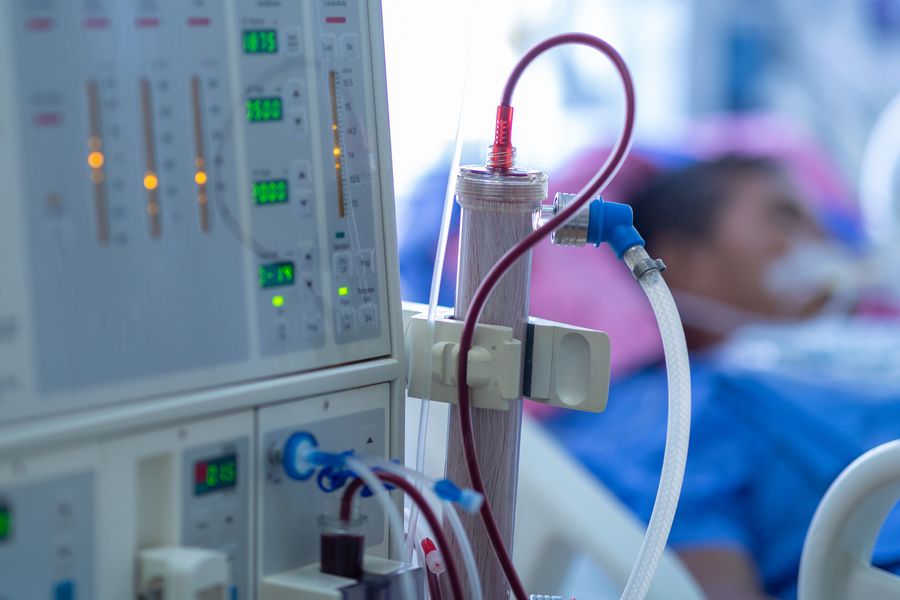 Dialysis
 Hospitals
 Addiction Recovery
 Mental Health
Sources
- NC Division of Health Service Regulation: Adult Care Licensure Section
- NC Division of Health Service Regulation: Adult care home star ratings
- N.C. Gen. Stat. 131D-10: Star rated certificates
- NCDHHS: State-County Special Assistance for adult care home residents
- NC Medicaid: Personal care services
- CareScout: Cost of Care Survey 2025
This page is general information, not medical, legal or financial advice. Coverage rules change; confirm details with the program or your plan. Last reviewed October 31, 2026.